















Sizing a van around what you are moving
List the largest items with rough length, width and height, and give an estimate of total weight, because bulk and payload limit a van in different ways. Mention anything awkward, such as a wardrobe that cannot be dismantled or long timber. Describe loading at both ends, including stairs, lift access, distance from the kerb and whether anyone will help lift.
Fitting the van to your route
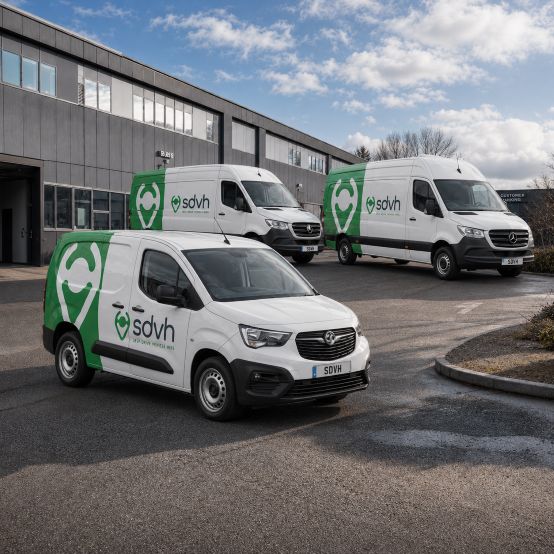
Start with the load, then choose the van. A small van works well for boxes, tools and light collections; medium and long-wheelbase vans suit furniture, stock and trade equipment; and a Luton is the better choice for bulkier items on a house move. Subject to dates, driver details and availability, the range includes the Volkswagen Caddy, Ford Transit SWB, VW Transporter Automatic, Ford Transit MWB and Ford Transit LWB. Make, model, transmission, seats, payload and licence position are all confirmed at quote stage, so treat these vehicles as a guide to the kind of hire on offer rather than a guaranteed reservation of a particular model.
Arranging Help for the Day
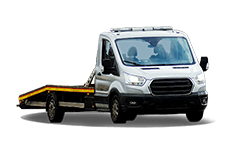
Do you have people lined up to assist on the day of your hire? If friends, family or colleagues are joining you, agree the timings with them before you confirm dates, and note who is available for which hours in case the schedule shifts. Record each helper's name and contact number so you can reach them if plans change, and decide in advance who will be at the pickup address and who will meet you at the destination. If the job involves collecting items from another person, such as a furniture purchase, note their contact details and the agreed collection window too. Share your final dates and access arrangements with the team, and they will match the work to a small van, Transit, Luton, dropside or crew van where available.
Putting a Household Move on Paper
A written plan turns a house move from a series of guesses into something you can act on. Begin by listing every room and the items it contains, marking large furniture with approximate measurements so you can describe it accurately later. Decide what is travelling with you and what might be sold, donated or placed in storage, then set aside a date or dates for the move itself. Note the access arrangements at both ends, including any gates, parking considerations or entry restrictions you already know about, and pass these to the team when you enquire. Add the names and numbers of anyone receiving items at the new address. With that information and your hire dates, the team can recommend from the small van, Transit, Luton, dropside or crew van options where available.
Explore other van hire areas
What to confirm on the phone
Before the hire is confirmed, go over the key points: whether the vehicle is available, the driver requirements, mileage, insurance, the delivery or collection arrangements and any extras you have asked for. Make sure payload, loading height, tail-lift needs, driver details, deposits and insurance excess are confirmed before you settle on a van size. A clear request gives the date, the length of hire, a rough route, the delivery or pickup address, the passengers or load you expect and any special requirements that might affect which vehicle is suitable.