















Sizing a van around what you are moving
List the largest items with rough length, width and height, and give an estimate of total weight, because bulk and payload limit a van in different ways. Mention anything awkward, such as a wardrobe that cannot be dismantled or long timber. Describe loading at both ends, including stairs, lift access, distance from the kerb and whether anyone will help lift.
How the right vehicle is confirmed
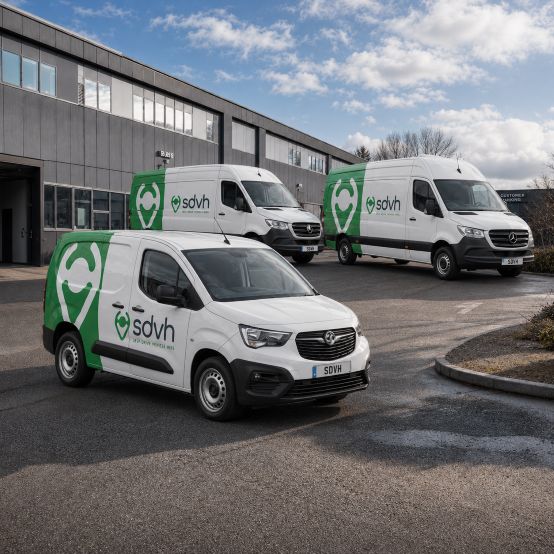
Start with the load, then choose the van. A small van works well for boxes, tools and light collections; medium and long-wheelbase vans suit furniture, stock and trade equipment; and a Luton is the better choice for bulkier items on a house move. Subject to dates, driver details and availability, the range includes the Volkswagen Caddy, Ford Transit SWB, VW Transporter Automatic, Ford Transit MWB and Ford Transit LWB. Make, model, transmission, seats, payload and licence position are all confirmed at quote stage, so treat these vehicles as a guide to the kind of hire on offer rather than a guaranteed reservation of a particular model.
Building a Load Inventory Item by Item
Start with a blank page and write down everything you plan to move. Group the entries by type: boxes, furniture, white goods, tools and anything loose such as bags or rolled carpets. Beside each item note the quantity and, where size matters, an approximate measurement, because a three-seat sofa and a bedside table present very different questions when comparing a small van with a Luton. Mark items that are fragile or awkward in shape so you can raise them individually when you speak to the team. Keep the list somewhere easy to reach, since you will want to update it if you sell, donate or add anything before the hire dates. When you request a quote, send the inventory together with your access arrangements, and put any questions about the destination's own entry rules to the contact there.
Organising the Wider Household Move
A household move runs on dates and lists. Write down your intended hire dates first, including any flexibility either side in case completion times shift, and note which rooms need emptying in which order. Record where each category of item is going, whether that is the new address, a storage unit or a relative's garage, so you can see at a glance what belongs in which load. If friends or family are helping on the day, list their names and availability, and note a contact number for anyone at the receiving end, such as an estate agent or site manager. Questions about parking bays, gate codes or access hours at the destination should be directed to whoever manages that property, not left as assumptions in your plan.
Explore other van hire areas
Things to check before booking
Before the hire is confirmed, go over the key points: whether the vehicle is available, the driver requirements, mileage, insurance, the delivery or collection arrangements and any extras you have asked for. Make sure payload, loading height, tail-lift needs, driver details, deposits and insurance excess are confirmed before you settle on a van size. A clear request gives the date, the length of hire, a rough route, the delivery or pickup address, the passengers or load you expect and any special requirements that might affect which vehicle is suitable.