
Details to confirm before a truck or lorry quote
Describe the load by weight, dimensions and packing, whether palletised, loose or crated. Ask the recipient whether unloading will be by forklift, at a loading dock or by hand, and whether their site has height, length or weight limits for delivery vehicles. Provide driver licence details and say whether the hire is for business use, so the team can confirm driver and operator requirements with you before booking.
Picking a suitable truck
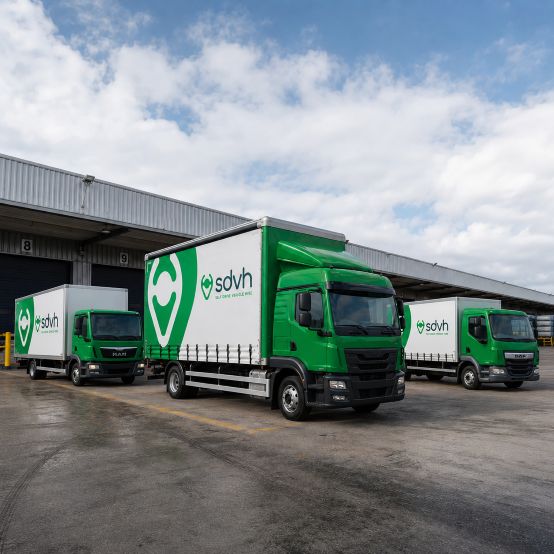
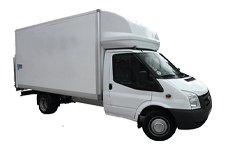
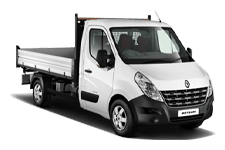
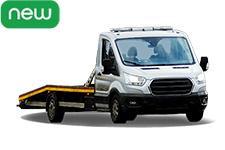
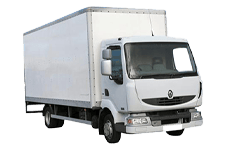
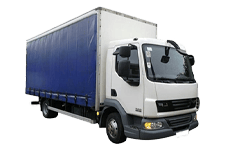
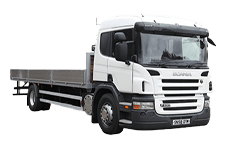
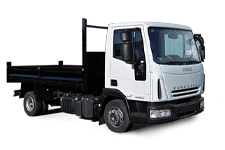
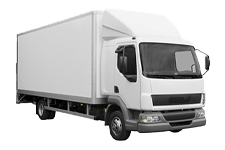
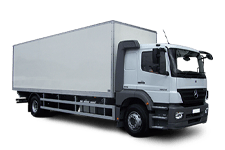
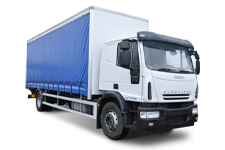
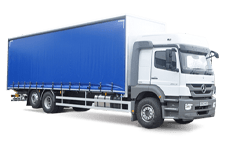
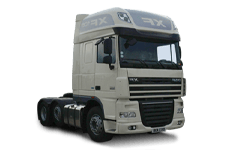
Choose the truck according to how the load will be handled. A box or Luton-style body usually suits goods that need protecting, a tail lift helps where there is little loading equipment, and dropsides can work well for materials needing open-side access. Subject to dates, driver details and availability, the range covers the Ford Luton 3.5 Tonne Box with Tail Lift, 3.5 Tonne Tipper Transit Truck, 3.5 Tonne Recovery Truck, 7.5 Tonne Box Truck With Tail Lift and 7.5 Tonne Curtain Side Truck. The quote stage confirms the exact make, model, transmission, seats, payload and licence position, so these vehicles serve as a guide to the type of hire available and not as a guaranteed reservation of a particular model.
Checking Access Dimensions at Each End
A useful early step is to note the physical constraints at both the collection point and the delivery point. Record gate widths, driveway lengths, overhead clearance heights and any narrow approach roads you already know about, since these details shape what size of vehicle is workable. If the delivery site is managed by someone else, ask them directly about restrictions, height barriers or designated loading areas rather than assuming. Note whether there is room to turn a larger vehicle and where parking or unloading is permitted. Site restrictions are the site contact's information to confirm, not the hire team's. When you submit an enquiry, including these measurements alongside the load type and both endpoints helps the team suggest a commercial vehicle category that matches the situation.
Matching Handling Equipment to Your Load
Think next about how each item will be moved at either end of the journey. List the load in detail and note what each piece would require in terms of handling: pallets that would need a pallet truck, drums that roll, loose materials that need containing, or machinery with lifting points. Record weights where you know them, and flag anything that cannot be manhandled by the people available on the day. If the receiving site has its own equipment, such as a forklift or loading bay, note that too, along with a contact number for whoever operates it. This information is about planning rather than technique. Sharing it with your enquiry, including any site restrictions, allows the team to match the request to an appropriate commercial vehicle.
Last checks before booking
Before you confirm the hire, go through the essentials: vehicle availability, driver requirements, mileage, insurance, delivery or collection arrangements and any extras you have asked for. With truck hire, the booking team should check the driver category, operator position, mileage terms, insurance, payload, body type and where the vehicle can be delivered or collected safely. It helps if your request includes the date, hire length, approximate route, delivery or pickup address, expected passengers or load, and any special requirements that might affect the suitability of the vehicle.