
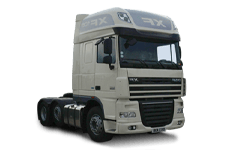
Details to confirm before a truck or lorry quote
Describe the load by weight, dimensions and packing, whether palletised, loose or crated. Ask the recipient whether unloading will be by forklift, at a loading dock or by hand, and whether their site has height, length or weight limits for delivery vehicles. Provide driver licence details and say whether the hire is for business use, so the team can confirm driver and operator requirements with you before booking.
Fitting the truck to your route
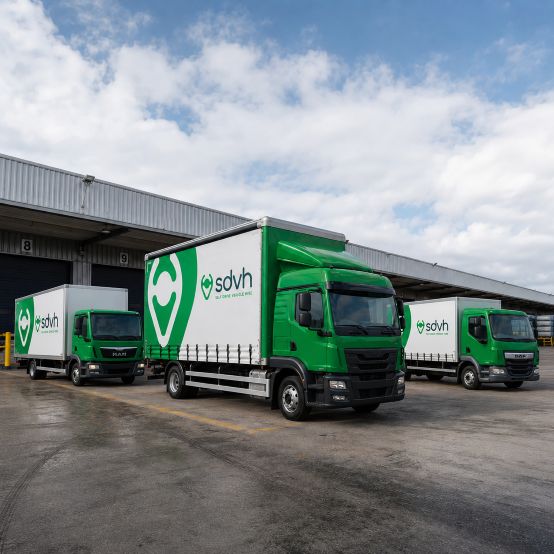
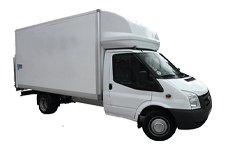
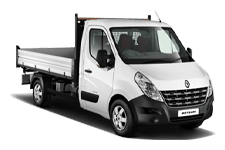
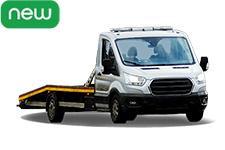
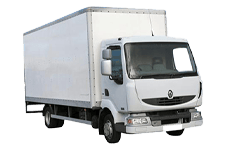
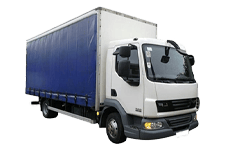
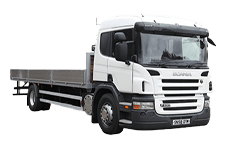
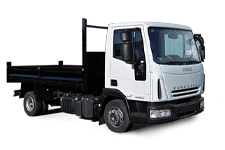
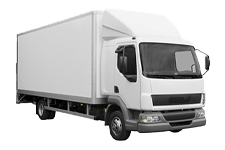
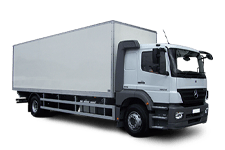
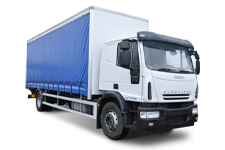
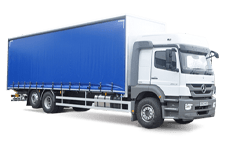
Choose the truck according to how the load will be handled. A box or Luton-style body usually suits goods that need protecting, a tail lift helps where there is little loading equipment, and dropsides can work well for materials needing open-side access. Subject to dates, driver details and availability, the range covers the Ford Luton 3.5 Tonne Box with Tail Lift, 3.5 Tonne Tipper Transit Truck, 3.5 Tonne Recovery Truck, 7.5 Tonne Box Truck With Tail Lift and 7.5 Tonne Curtain Side Truck. The quote stage confirms the exact make, model, transmission, seats, payload and licence position, so these vehicles serve as a guide to the type of hire available and not as a guaranteed reservation of a particular model.
Build a Detailed Load Inventory
A clear inventory is the foundation of a useful truck hire enquiry. Begin by listing every item due to travel, then add estimated dimensions and, where you know them, approximate weights. Group goods by category, such as palletised stock, machinery, furniture or event equipment, and flag anything unusually long, tall or wide. Note whether items are boxed, loose or strapped to pallets, because this shapes the vehicle category the team will suggest. If the load is still being assembled, estimate conservatively and mention that figures may shift. Keeping the inventory in a shareable document makes it easy to send ahead or read out during the conversation, giving the team a reliable basis for matching your request.
Getting Bulky Equipment Ready on Paper
Before contacting the team, set out the details of any bulky equipment in writing rather than relying on rough descriptions. Note each item's shape, how it breaks down if it can be dismantled, and whether it needs to stay upright or protected from movement. Describe how the equipment will be presented on the day, such as crated, wrapped or on skids, since this influences which commercial vehicle will suit the job. If several pieces are travelling together, show the order in which they will be loaded and any that must come off first. A written summary also helps if someone else handles the collection. Sharing this preparation with the team allows them to consider your circumstances properly and respond with a well-matched vehicle suggestion.
Explore other truck hire areas
What to confirm on the phone
Before you confirm the hire, go through the essentials: vehicle availability, driver requirements, mileage, insurance, delivery or collection arrangements and any extras you have asked for. With truck hire, the booking team should check the driver category, operator position, mileage terms, insurance, payload, body type and where the vehicle can be delivered or collected safely. It helps if your request includes the date, hire length, approximate route, delivery or pickup address, expected passengers or load, and any special requirements that might affect the suitability of the vehicle.