

Details to confirm before a truck or lorry quote
Describe the load by weight, dimensions and packing, whether palletised, loose or crated. Ask the recipient whether unloading will be by forklift, at a loading dock or by hand, and whether their site has height, length or weight limits for delivery vehicles. Provide driver licence details and say whether the hire is for business use, so the team can confirm driver and operator requirements with you before booking.
Picking a suitable truck
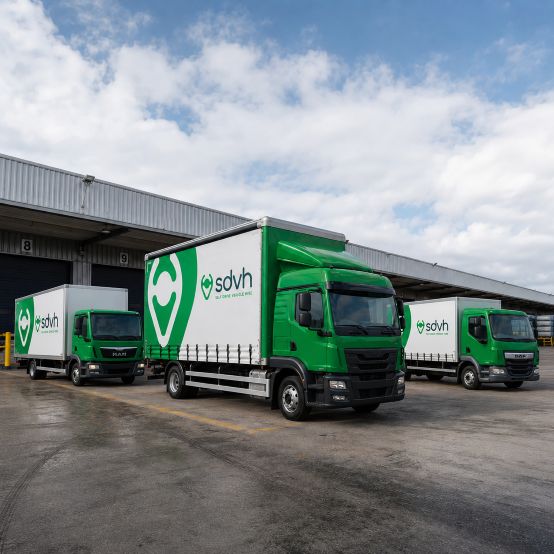
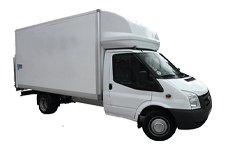
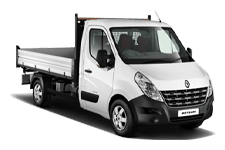
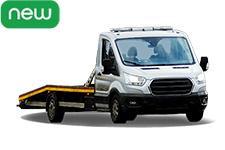
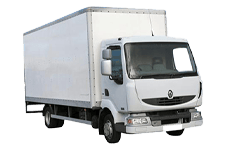
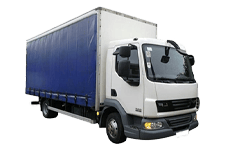
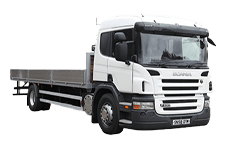
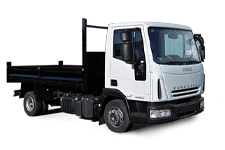
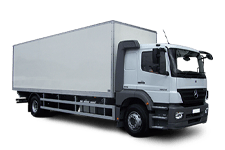
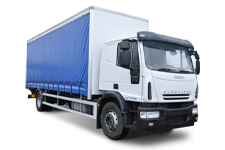
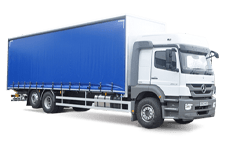
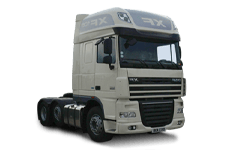
Which commercial vehicle suits you depends on the size of the load, any route restrictions and who will be driving. The smaller 3.5T options can suit many bulky moves, whereas 7.5T and heavier vehicles need closer checks on entitlement, operator requirements and delivery access. Subject to dates, driver details and availability, the range includes the Ford Luton 3.5 Tonne Box with Tail Lift, 3.5 Tonne Tipper Transit Truck, 3.5 Tonne Recovery Truck, 7.5 Tonne Box Truck With Tail Lift and 7.5 Tonne Curtain Side Truck. Because the exact make, model, transmission, seats, payload and licence position are confirmed at the quote stage, use the vehicle examples as a guide to the type of hire on offer rather than as a guaranteed booking of a specific model.
Planning the Return and Unloading Window
If your delivery has a fixed slot at the far end, the return arrangements deserve just as much attention as the outbound journey. Think about when the vehicle needs to be back, whether the unloading site has an agreed window, and who will be there to receive the goods. Note the contact details of the person at the destination so any delay or change can be passed along quickly. When you ask for a quote, mention both the delivery timing and your intended return time, since hire periods are part of what the team checks. If the unloading window could overrun, raising that possibility early gives everyone a chance to look at the terms and adjust the booking before anything is confirmed.
Listing Bulky Equipment Before You Book
Should your load include machinery, workshop equipment or unusually shaped items, a written inventory is the most useful thing you can prepare. For each piece, record the name, approximate dimensions and weight, and note whether it comes in a case, sits on wheels or has fragile parts. Photographs can help you remember what is what when discussing the job. If some equipment belongs to a client or a site rather than to you, note down who is responsible for it and where it is going. Include this list with your route and access notes when you enquire, and ask specifically whether anything on it affects the vehicle class or hire terms, since unusual items sometimes raise questions that are better answered in advance.
Explore other truck hire areas
Last checks before booking
Before the hire is confirmed, check the main details: availability of the vehicle, what is required of drivers, mileage, insurance, delivery or collection arrangements and any extras requested. Weight, body style, mileage, cross-border use, driver status and commercial purpose can all alter truck terms, so these points should be checked before a vehicle is reserved. When making a request, include the date, how long you need the vehicle, the approximate route, the delivery or pickup address, the expected passengers or load, and any special requirements that could affect which vehicle is suitable.